
Njaanuary Chronicles: Cabbage And 5 Other Foods That Become Darlings To Kenyans
In December, Kenyans create an artificial war, or rather enmity, between themselves and their favourites, which are cabbage, sukuma, ugali, rice, and cereals, only to regret it in January and go back, pleading.
For a month that sees many Kenyans live without touching even one hundred bob, January forces households to rethink food choices and return to simple meals that stretch every coin.
As household budgets tighten after the festive season, affordable and filling foods take centre stage.
These staples quietly carry many families through what is popularly known as the 300 day month.
Here are foods that become favourites in Njaanuary and why they fit the season so well.
Cabbage
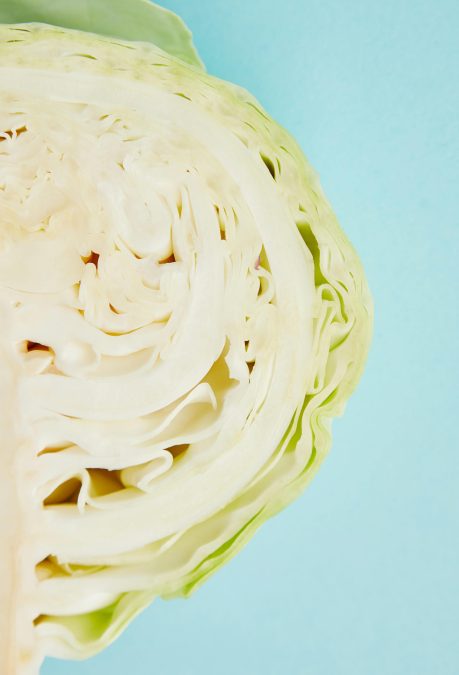
Cabbage is among the most affordable vegetables in local markets, often selling for as low as Ksh40 to Ksh80 per head, depending on size and location.
Families love it in January because one cabbage can last several meals. It is filling, stores well and can be cooked on its own or mixed with potatoes and other vegetables, helping households reduce daily food spending.
Omena
Omena becomes a trusted source of protein in Njaanuary mainly because of its affordability. A small packet costing about Ksh50 to Ksh100 can feed several people.
Compared to meat, omena is cheaper, lasts longer and pairs perfectly with ugali. For many families, it offers nutrition without straining already tight budgets.
Sukuma wiki mixed with spinach
Sukuma wiki remains a January staple because it is widely available and cheap. A bunch often costs between Ksh10 and Ksh20, while spinach adds taste and volume at a similar price.
Mixing the two stretch meals improves flavour and ensures families still get vegetables even when money is limited.
Cereals such as beans, ndegu, njahi and kamande
Dry cereals dominate January kitchens because they are filling and economical.
A kilo of beans or green grams can cost between Ksh150 and Ksh250, yet once cooked, it can serve several meals.
Read Also: How To Choose Best School For Your Kids In January
These foods keep hunger away for longer hours and reduce the need for frequent cooking, which also saves on cooking fuel.

Eggs and ugali
Eggs offer a quick and affordable protein option in January. One egg costs about Ksh20 to Ksh25, making it cheaper than meat.
When combined with ugali made from maize flour, families get a filling and balanced meal at a low cost.
This option is common when quick meals are needed without overspending.
Rice
Rice makes a strong comeback in Njaanuary because it is easy to cook and versatile. A kilo costs around Ksh200 to Ksh300, and when cooked, small portions can feed many people.
Rice pairs well with cabbage, sukuma or beans, making it a reliable option for households managing limited funds.
Why these foods fit Njaanuary
These foods share common strengths. They are affordable, widely available and can be cooked in large quantities.
Most importantly, they allow families to survive the long January without daily financial strain. In a month where money feels scarce, value and fullness matter more than luxury.