
Step By Step: How Court Delivered Ruling On Gachagua's Impeachment Case
The High Court at Milimani Law Courts has delivered its judgment on the impeachment of former Deputy President Rigathi Gachagua.
Here are the key developments and stories that emerged from the proceedings, which began at 11:00 am on Monday, June 8, 2026:
Lawyer Willis Otieno says Gachagua impeachment case is far from over
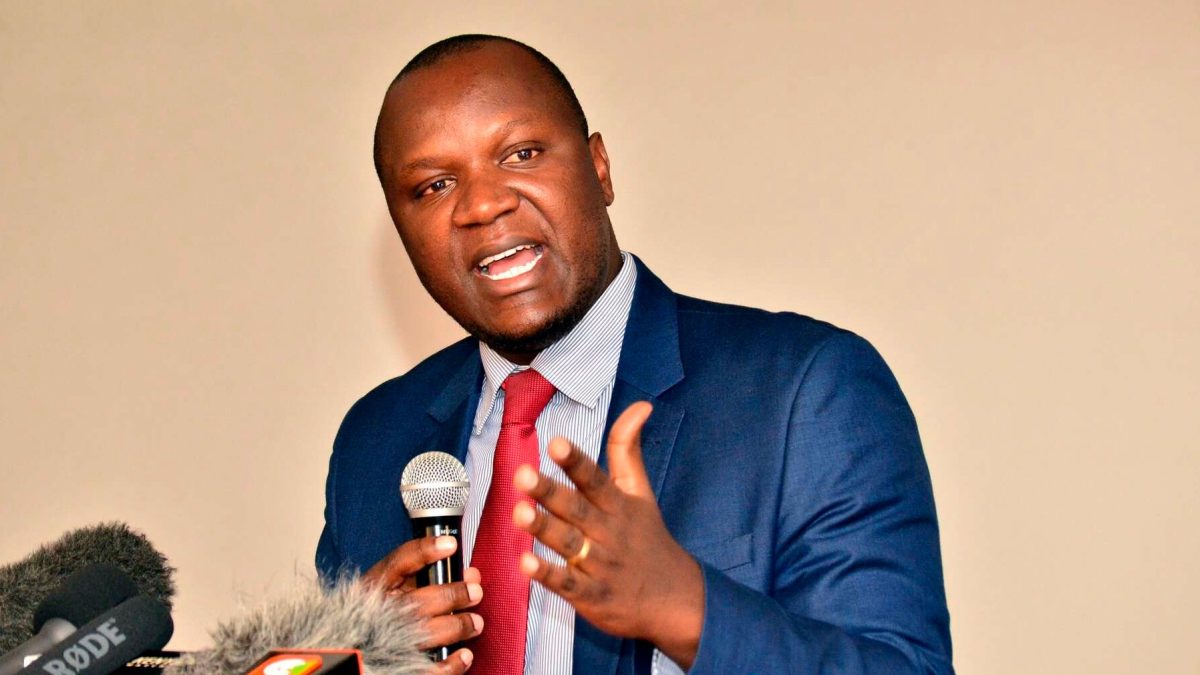
Lawyer Willis Otieno has raised major constitutional questions following the High Court judgement on former Deputy President Rigathi Gachagua’s impeachment case, arguing that the ruling leaves unresolved legal contradictions that are likely to trigger further appeals.
Taking to his official X account on Tuesday, June 9, 2026, Otieno questioned how the court could acknowledge violations of fair hearing and due process while, at the same time, preserving the validity of the Senate’s impeachment decision.
“The judgement appears to leave a significant tension unresolved,” Otieno stated.
According to the Safina deputy party leader, the right to a fair hearing is a central constitutional principle that directly affects the legitimacy of any legal or quasi-judicial process.
“A finding that a person was denied a fair hearing ordinarily goes to the heart of the decision-making process. Fair hearing is not a peripheral right that can be separated from the outcome; it is a constitutional prerequisite for the validity of the process itself,” he explained.
Otieno argued that many legal observers would naturally question how an impeachment process found to contain procedural flaws could still produce a legally sustainable outcome.
“That is why many legal observers will ask: if the impeachment process was tainted by a violation of due process, how does the resulting Senate determination remain unaffected?” he posed.
He further noted that the judgement leaves uncertainty regarding the legal consequences flowing from the impeachment process, especially if constitutional defects were identified during the proceedings.
“The second question concerns the practical consequences of the judgement. If the impeachment process is found to have suffered constitutional defects, what does that mean for the legal disabilities arising from that process?” he asked.
Otieno maintained that constitutional litigation should ideally provide clarity and consistency, warning that conflicting findings within the judgement could generate more legal disputes instead of settling them.
“Ultimately, constitutional litigation should bring clarity and legal certainty. Where a judgment simultaneously identifies a violation of fundamental rights while preserving the consequences flowing from the impugned process, questions are bound to arise regarding the coherence of the legal reasoning,” he stated.
The lawyer suggested that the matter is likely headed for appellate review, potentially culminating in a Supreme Court interpretation of the constitutional issues involved.
“I suspect this matter is far from concluded and may ultimately require appellate clarification,” he observed.
Otieno also highlighted the difficult balancing act facing courts in politically sensitive constitutional disputes, particularly when separating personal rights violations from institutional decisions.
“The difficult legal question is where to draw the line. If the violation was serious enough to justify a KSh 50 million award, some will argue it should also have affected the impeachment’s validity. Others will argue that the court was entitled to separate the personal injury caused by the rights breach from the institutional validity of the Senate’s decision,” he added.
The High Court ruling on Gachagua’s impeachment has continued to spark intense legal and political debate, with analysts suggesting the case could significantly shape future interpretations of impeachment law, parliamentary accountability, and constitutional due process in Kenya.
Lawyer Peter Wanyama details why Gachagua can still run for president despite court setback
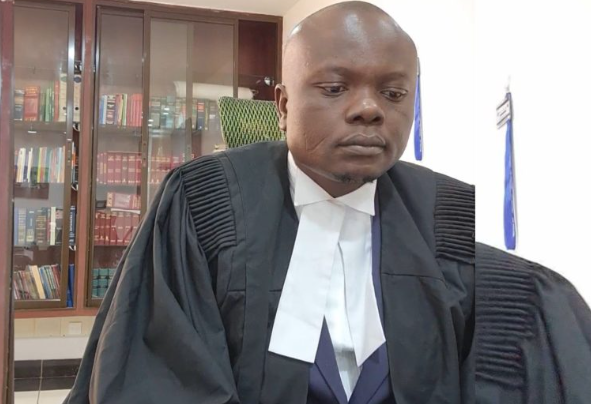
Lawyer Peter Wanyama has argued that former Deputy President Rigathi Gachagua remains constitutionally eligible to contest the presidency despite a setback in the High Court in his impeachment case.
Taking to his official X account on Tuesday, June 9, 2026, hours after the court’s judgement on Gachagua’s impeachment, Wanyama maintained that the legal process is still ongoing and that the final determination of the former deputy president’s political future rests with the Supreme Court.
“The Constitution provides adequate safeguards, checks, and balances regarding the fate of the impeached Deputy President Rigathi Gachagua. His fate lies in the Supreme Court, not the High Court or the Court of Appeal,” Wanyama stated.
According to the lawyer, while Gachagua may have encountered legal hurdles at the High Court level, the Constitution protects his political rights until all available avenues of appeal have been exhausted.
“Although he has faced setbacks at the High Court, it is important to note that until the Supreme Court upholds the decision, Rigathi Gachagua remains eligible to vie for the presidency,” he explained.
Wanyama further argued that Kenyan constitutional law does not automatically disqualify a candidate from elective office before the completion of the entire judicial process.
“According to the Constitution, a person is not disqualified from running for election unless all avenues for appeal have been exhausted,” he added.
The lawyer cautioned both supporters and critics of Gachagua against drawing premature conclusions from the High Court ruling, insisting that the legal battle is far from over.
“Therefore, for those on the opposite side, it is premature to celebrate or lament the High Court’s decision. The process is not yet complete,” Wanyama said.
The remarks come amid heightened political and legal debate surrounding Gachagua’s impeachment case, which has emerged as one of the most consequential constitutional disputes in recent years.
Karen Nyamu: Senate to appeal Ksh50M award in Gachagua impeachment case
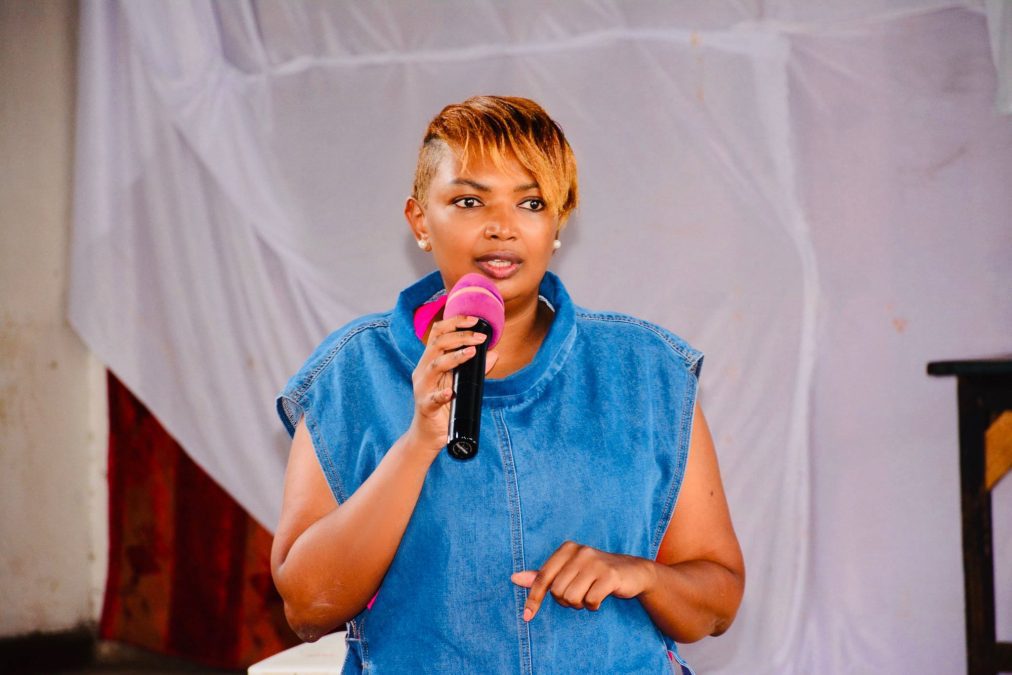
Nominated Senator Karen Nyamu has said the Senate will appeal the Ksh50 million constitutional damages awarded to former Deputy President Rigathi Gachagua, citing budget constraints.
In a Facebook post dated June 8, 2026, Nyamu said the Senate’s appeal is focused on the financial award issued by the High Court in the impeachment case.
“Meanwhile, Senate is appealing this decision because we simply do not have the unallocated budget for a Ksh 50 million award,” she wrote.
The three-judge bench comprising Justices Erick Ogolla, Anthony Mrima, and Fred Mugambi upheld Gachagua’s impeachment by the Senate, finding that the constitutional threshold for removal from office had been met.
However, the court also found that senators violated his right to a fair hearing after they declined an adjournment request on medical grounds, and awarded him Ksh50 million in damages payable by the Senate.
The judges said the award was intended to vindicate constitutional rights, restore dignity, and deter future procedural violations.
Nyamu described the ruling as an application of constitutional pragmatism and judicial restraint, arguing that the court balanced procedural violations against the consequences of overturning a completed political process.
She cited the doctrine of fait accompli, stating that once a new deputy president is lawfully sworn into office, reversing the impeachment could create an institutional vacuum.
“The stability of the constitutional order remains paramount,” she stated.
Nyamu added that while procedural compliance is required, courts must also consider the implications of their remedies on the functioning of state institutions.
She further confirmed that the Senate’s appeal is limited to the monetary award, citing budgetary limitations affecting the institution.
Dorcas Rigathi: Nothing is lost, we bless God for this judgement
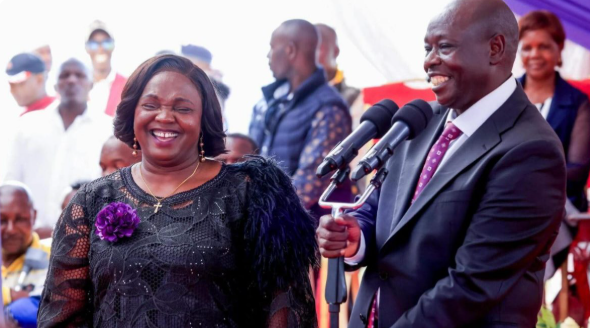
Reverend Dorcas Rigathi has reacted after the High Court upheld the impeachment of former Deputy President Rigathi Gachagua.
In a message shared after the judgment, she expressed gratitude to God and thanked those who had been praying for the family.
She said, despite the outcome of the case, she remained hopeful and believed that God was still guiding them through the situation. Her message focused on faith and thanksgiving following the court’s decision.
“God is still in control,” Dorcas Rigathi said on Monday, June 8, 2026.
Dorcas also thanked people who had supported them through prayer during the legal process. She said she appreciated those who had continued to stand with the family as they awaited the court’s ruling.
“Give thanks to the LORD,” Dorcas Rigathi said.
The former second lady maintained that the family was choosing to remain grateful despite the judgment. She explained that they would continue to trust God and look ahead with hope.
“We thank every one of you who has stood with us in prayer. Nothing is lost. We bless God for this judgment,” Dorcas Rigathi said.
She also shared a Bible verse from Romans as part of her message. The scripture emphasised her belief that God works through every situation for a greater purpose.
This comes after former Deputy President Rigathi Gachagua suffered a setback after the High Court upheld his impeachment from office. The judgment was delivered on Monday, June 8, 2026, by Justices Eric Ogola, Freda Mugambi and Antony Murima.
Court finds Gachagua’s rights were violated, awards him Ksh50 million
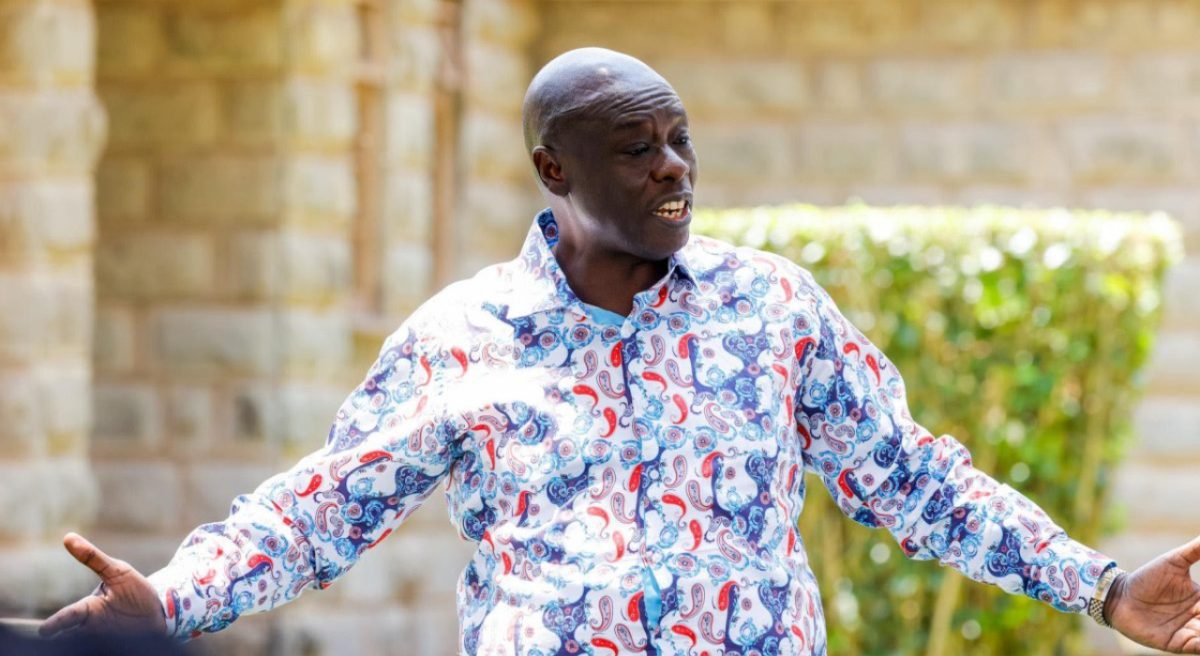
The High Court has upheld the impeachment of former Deputy President Rigathi Gachagua but awarded him Ksh50 million in damages, finding that senators violated his right to a fair hearing during the proceedings.
In a judgment delivered on Monday, June 8, 2026, the court ruled that while the impeachment itself met the constitutional threshold and would stand, aspects of the process fell short of fair trial standards guaranteed under the Constitution.
The bench found that members of the Senate proceeded with hearings despite requests for an adjournment on medical grounds, concluding that the refusal to pause proceedings amounted to a violation of Gachagua’s right to a fair hearing.
The court said that although Parliament has broad constitutional authority to oversee and remove state officers, that power must be exercised in accordance with due process protections, including the right of an accused official to adequately participate in proceedings affecting their office and rights.
As a result, the court ordered the Senate to pay Ksh50 million in compensation for the breach, even as it declined to overturn the impeachment outcome itself.
Blow to Gachagua as court upholds his impeachment
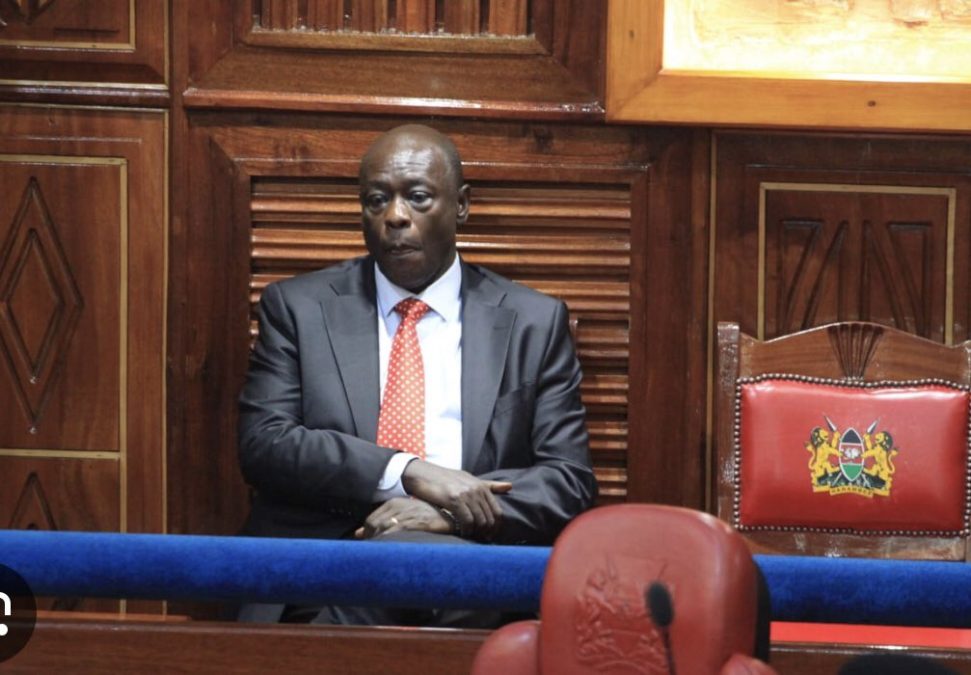
The High Court has officially upheld the October 2024 impeachment of former Deputy President Rigathi Gachagua.
The three-judge bench, consisting of Justices Eric Ogola, Anthony Mrima, and Freda Mugambi, dismissed all consolidated petitions challenging his ouster.
The court ruled that the public participation process conducted by the National Assembly and the Senate met all constitutional thresholds, throwing out Gachagua’s claims of procedural unfairness.
The judges also affirmed that President William Ruto acted completely within the law when nominating Professor Kithure Kindiki as the new Deputy President, without needing to subject the nomination to public participation.
Court makes key rulings
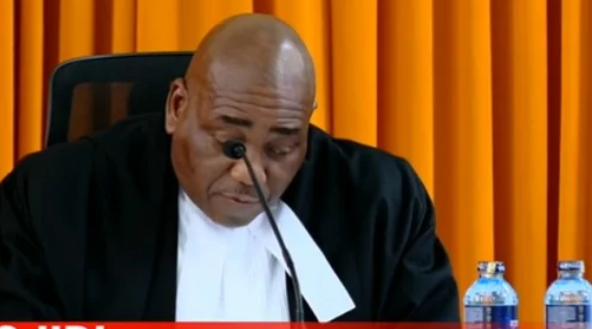
The three-judge High Court bench has officially concluded reading the petitions and responses.
Some of the court’s key conclusions include:
Adequate public participation: The High Court ruled that Parliament conducted adequate and constitutionally sound public participation before Gachagua’s removal.
The bench explicitly noted that the former Deputy President’s legal team had misled the court by baselessly claiming that the public participation results mathematically exceeded 100%.
No parliamentary bias: The judges dismissed all assertions that the National Assembly and the Senate acted with prejudice or institutional bias when prosecuting the 11 original charges against him.
Validity of Kindiki’s appointment: The court found absolutely no legal requirement for President William Ruto to conduct public participation when nominating a new Deputy President.
Consequently, the bench reaffirmed the legality of Professor Kithure Kindiki assuming the office.
The “Yes/No” template is lawful: The bench threw out Gachagua’s defence that the “Yes/No” questionnaire template used by the National Assembly during public collection represented a “constitutional fraud”.
Gachagua impeachment: What is at stake in Monday’s ruling?
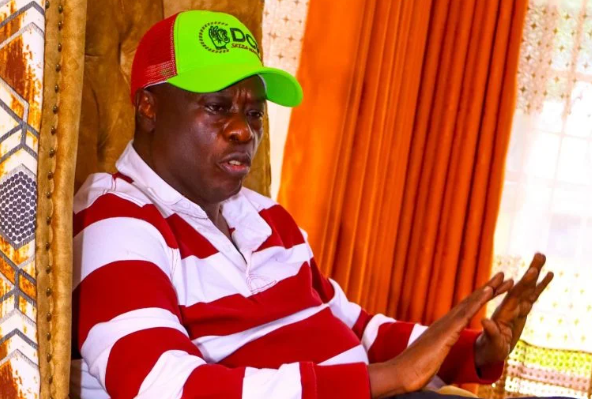
A ruling by the Milimani Law Courts in Nairobi on the impeachment of former Deputy President Rigathi Gachagua is expected to have far-reaching political and legal implications for his future.
At the centre of the case are questions about the legality of Gachagua’s removal from office, the validity of the Senate process, and what the outcome could mean for his future in public life and Kenya’s broader political landscape.
A high-profile three-judge bench comprising Justices Eric Ogolla, Anthony Mrima and Freda Mugambi convened on Monday, June 8, 2026, to deliver a definitive ruling on the consolidated petitions challenging Gachagua’s dramatic ouster.
Gachagua was removed from office following a swift, turbulent impeachment process that transfixed the nation.
While the swift political currents have already swept his successor, Kithure Kindiki, into the second-highest office in the land, Monday’s judicial intervention is far from academic.
The ruling carries profound consequences for Kenya’s political future, its legal precedents, and the stability of the ruling coalition.
A ticket to 2027
Foremost among the stakes is Gachagua’s own political survival.
Under Chapter Six of the Kenyan Constitution, which establishes rigid and unforgiving standards for leadership and integrity, any state officer who is successfully removed from office via impeachment is permanently disqualified from holding public office for life.
For an ambitious politician who only recently sat a heartbeat away from the presidency, the confirmation of his impeachment would represent an absolute political death sentence.
Should the three-judge bench rule against him, Gachagua will be legally barred from contesting the presidency or any other elective seat in the upcoming August 2027 general elections.
He would furthermore be prevented from holding any state-appointed positions, such as a Cabinet secretary or ambassador.
If the three-judge bench rules against him today, Gachagua’s team is expected to immediately move to the Court of Appeal, and if necessary, all the way to the Supreme Court.
However, if the Supreme Court still rules against him, it would be game over, as was the case with former Nairobi governor Mike Sonko.
When Sonko tried to run for governor of Mombasa after being impeached in Nairobi, his legal team argued that the ban shouldn’t be permanent or block him from running in different counties.
The Supreme Court completely shut down that argument, writing: “Chapter Six of the Constitution was not enacted in vain or for cosmetic reasons. The authority assigned to a State officer is a public trust…”
The Apex Court clarified that once you fail the integrity test and are legally removed via impeachment, you automatically and permanently lose the capacity to satisfy the Chapter Six integrity requirements.
Notably, Gachagua can still exploit a legal loophole and vie for president in 2027.
If his appeals are not exhausted before the 2027 elections, Gachagua can still technically run for Kenya’s highest office.
As long as an active appeal is lodged and the matter is deemed sub judice (actively under judicial consideration), Gachagua’s lawyers can argue that his constitutional right to vie under Article 38 remains intact until the Supreme Court delivers a definitive final verdict.
In the event of a favourable ruling clearing Gachagua of the constitutional implications of his impeachment, his political standing would be immediately restored, potentially positioning him as a strong opposition contender for president.
Millions in benefits
Beyond the grand existential questions of political survival lies an intensely practical financial dispute.
Having formally abandoned his legal quest to be physically reinstated into the office of the Deputy President, Gachagua’s legal crusade is now focused squarely on compensation and vindication.
If the court determines that the impeachment process violated constitutional mandates, the state could be ordered to grant Gachagua the extensive financial compensation and retirement packages accrued during his tenure and due for the remainder of his five-year term.
Under Kenyan law, a legally retired deputy president is entitled to a generous lifelong pension, health insurance cover, state-funded security details, and a fully staffed office – perks that are entirely forfeited if an official is deemed lawfully removed for gross misconduct.
The 2027 strategy
Whether or not the courts ultimately grant him a lifeline, Gachagua has already begun building a contingency plan designed to punish his former ally turned bitter political rival, President William Ruto.
The former deputy president’s allies quickly orchestrated the registration of a new political vehicle, the Democracy for Citizens Party (DCP).
Even if the judiciary enforces a lifetime ban on his personal candidacy, Gachagua remains a highly influential regional kingpin.
By positioning himself as a political martyr who was discarded by the administration after delivering the critical Mt Kenya voting bloc to Ruto in 2022, he could effectively wield the DCP to unite the region’s voters against the current government.
In a country where ethnic coalitions dictate electoral outcomes, an alienated Mt Kenya could fracture Ruto’s re-election machinery beyond repair.
Monday’s ruling is merely the opening salvo in a judicial marathon that is widely expected to culminate at the Supreme Court.
Gachagua impeachment ruling: A profile of the 3-judge bench presiding over his case
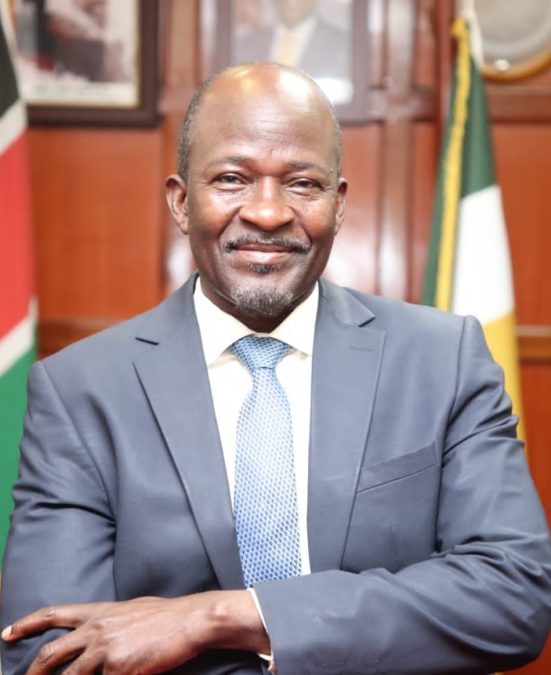
The High Court is expected to deliver its ruling in the impeachment case involving former Deputy President Rigathi Gachagua, a decision that has drawn intense public and political interest.
At the centre of the proceedings is a three-judge bench tasked with determining the outcome of a case that could have significant implications for his political future.
The high-profile three-judge bench comprising Justices Eric Ogolla, Anthony Mrima and Freda Mugambi convened on Monday, June 8, 2026, to deliver a definitive ruling on the consolidated petitions challenging Gachagua’s dramatic ouster.
The composition of the bench, their judicial experience, and prior rulings have now come under scrutiny as attention shifts to the individuals who will shape one of the most closely watched decisions of the year.
Tasked by Chief Justice Martha Koome to navigate this constitutional minefield, the selection of the panel was heavily scrutinised by both the state and the opposition.
The resulting bench – comprising a battle-tested administrative leader, a heralded champion of constitutional human rights, and an elite legal scholar – reflects a calculated attempt to construct an airtight judicial bulwark against accusations of bias.
As the country dissects the extensive ruling, the backgrounds of the three individuals behind the historic verdict offer crucial context into how this high-stakes decision was forged.
Justice Eric Ogola
Serving as the anchor and presiding voice of the bench is Justice Eric Ogola, a jurist whose steady ascent through the ranks of the judiciary has earned him a reputation as an institutionalist.
Appointed as a High Court Judge in 2011 after two decades in private practice, Justice Ogola is not a stranger to complex regional interests.
He spent years anchoring key stations outside the capital, serving as the Presiding Judge in the coastal hub of Mombasa and later in the politically vital Rift Valley town of Eldoret.
In September 2022, his peers elected him as the Principal Judge of the High Court, effectively placing him in charge of the administration, deployment, and daily operations of the country’s entire High Court infrastructure.
Highly educated with a Master of Laws in Maritime and Admiralty Law from the University of Cape Town, Justice Ogola’s judicial style is defined by procedural discipline.
Throughout the turbulent Gachagua hearings, his steady hand was visible in navigating aggressive, multi-layered legal technicalities presented by the country’s most formidable senior counsels.
Justice Anthony Mrima
If Justice Ogola provides the administrative anchor, Justice Anthony Mrima brings the battle-tested grit of a judge routinely deployed to the front lines of constitutional conflict.
Since his appointment to the High Court in 2014, Justice Mrima has consistently found himself at the centre of lightning-rod political cases.
His tenure in the Constitutional and Human Rights Division in Nairobi saw him issue bold, uncompromising rulings that frequently rankled the executive branch, asserting the supremacy of the Bill of Rights over political convenience.
His uncompromising jurisprudence has not gone unnoticed.
In 2023, the Law Society of Kenya named him the Best Judge of the Year, a testament to his standing among practising lawyers.
His influence within the third branch of government was further cemented in September 2024, when his fellow magistrates and judges elected him to represent them as a Commissioner on the highly powerful Judicial Service Commission (JSC).
Armed with a Bachelor of Laws from the University of Nairobi and a background in corporate governance, Mrima’s presence on the bench ensured that the strict threshold of fair hearing and constitutional fidelity remained paramount.
Lady Justice (Dr.) Freda Mugambi
Completing the judicial trinity is Lady Justice Freda Mugambi, who injects a formidable layer of academic rigour and deep institutional memory regarding legal education into the panel.
Appointed to the High Court bench in 2022, Mugambi is primarily stationed in the fast-paced Commercial and Tax Division at Milimani.
What she lacks in long-term judicial tenure compared to her bench colleagues, she more than balances out with a stellar, specialised academic pedigree.
Mugambi holds a prestigious Doctor of Laws (LLD) from the University of Pretoria in South Africa, alongside an LLM in Commercial Law from the University of Birmingham in the United Kingdom.
Before donning the judicial robes, she played a pivotal role in shaping Kenya’s legal minds, serving as the Director of Examinations at the Council of Legal Education and as the Deputy Director of Judicial Education and Curriculum Development at the Kenya Judiciary Academy.
Her background makes her uniquely attuned to the precise, textual interpretation of statutory frameworks – a critical asset when evaluating whether Parliament adhered to the strict minutiae of impeachment law.
Gachagua, family and opposition leaders gather in Karen as they await impeachment ruling
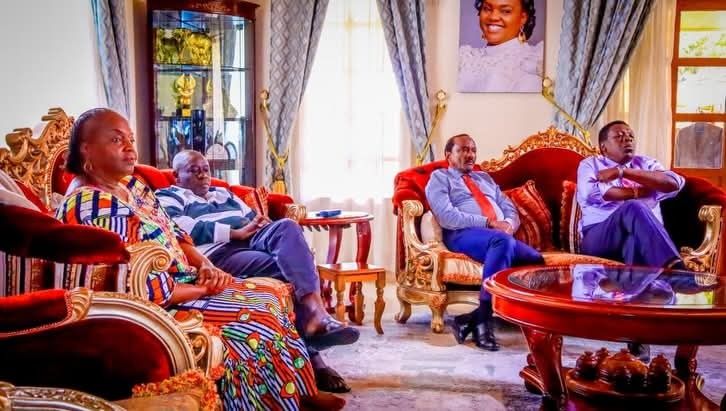
Former Deputy President Rigathi Gachagua has remained out of the Milimani Law Courts as a three-judge bench delivered its highly anticipated judgement on the petition challenging his impeachment, marking the first time he has missed a key court session since the case began.
The ruling, being delivered by Justices Erick Ogolla, Anthony Mrima and Fred Mugambi, is expected to determine the legality of the impeachment process that saw Gachagua removed from office in October 2024.
Despite his absence from court, Gachagua was closely following the proceedings alongside his family, including his spouse, Dorcas Rigathi and his sons, as well as senior opposition leaders Kalonzo Musyoka and Eugene Wamalwa.
The judgement represents the latest chapter in a legal battle that has dominated Kenya’s political landscape since Parliament voted to remove Gachagua from office, making him the first Deputy President in the country’s history to be impeached through the constitutional process.
“Dcp leader Rigathi with his sons,spouse and leaders kalonzo musyoka,Eugine Wamalwa waiting for court Rulling in his impeachment Case,” the DCP party wrote on X on Monday, June 8, 2026.
Gachagua’s legal team, led by advocate Njeri Maina and other lawyers, has consistently challenged the impeachment process, arguing that it violated constitutional provisions and denied him a fair hearing.
The lawyers have maintained that both the National Assembly and the Senate acted outside the law during the proceedings. They contend that constitutional safeguards were ignored and that the former deputy president’s rights were infringed upon throughout the process.
Gachagua was impeached by the National Assembly on October 8, 2024, before the Senate upheld the decision on October 17 after considering 11 charges against him. The accusations included gross violation of the Constitution, commission of crimes under national and international law, and gross misconduct.
Among the accusations were claims that he violated constitutional principles of accountability, integrity, and public service, interfered with the independence of the Judiciary, and failed to uphold the leadership and integrity standards outlined in Chapter Six of the Constitution.
He was also accused of promoting ethnic division through remarks deemed to contravene the National Cohesion and Integration Act, as well as involvement in corruption and economic crimes. One of the most serious claims is that he accumulated unexplained wealth amounting to Ksh5.2 billion within two years.
Gachagua had personally attended several previous court sessions, often accompanied by his wife in a show of solidarity.
His absence from Monday, June 8, 2026, proceedings has attracted widespread attention as Kenyans await a ruling that could have far-reaching political and constitutional implications.
List of demands Gachagua is seeking in his post-impeachment compensation package
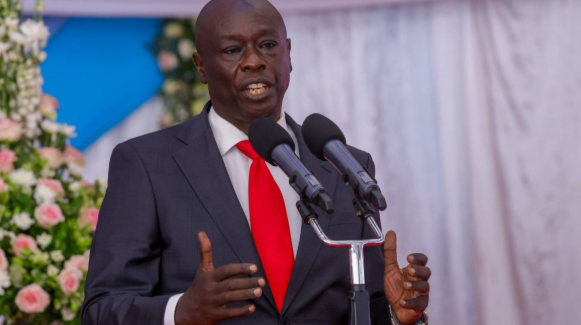
Former Deputy President Rigathi Gachagua is seeking an extensive package of retirement benefits and privileges as he continues his legal battle over his impeachment.
Court documents reveal a long list of demands that Gachagua is seeking as a compensation package following his impeachment.
During the impeachment ruling at the Milimani High Court on Monday, June 8, 2026, it emerged that Gachagua has officially abandoned his long-running prayer to be reinstated as the country’s second-in-command.
Instead, he has pivoted towards a post-impeachment exit package.
Presiding Judge Justice Eric Ogolla, leading a high-profile three-judge bench [comprising Justices Eric Ogolla, Anthony Mrima and Freda Mugambi], laid bare Gachagua’s expansive demands during ongoing constitutional proceedings.
Despite being ousted by Parliament following a bitter political fallout, Gachagua’s legal team argued that his compensation package should match the elite privileges typically reserved for retired, un-impeached state officers.
According to official court filings and the presentation by the three-judge bench, here is the complete, extensive list of demands Rigathi Gachagua is seeking as a compensation package:
Financial and monetary payouts
Ksh42,000,000 – total salary compensation
Ksh22,800,000 – gratuity payment
Ksh14,000,000 – lump-sum retirement payment
Ksh980,000 – monthly lifetime pension
Ksh700,000 – airtime allowance
Ksh180,000 – monthly fuel allowance
Vehicles
2 saloon cars – provided and fully maintained by the government
1 Heavy-duty 3000cc vehicle – for personal travel
Domestic and personal staff enlistment
2 dedicated cooks
2 professional cleaners
2 personal drivers
1 Personal Assistant (PA)
Security, travel and health privileges
Armed security guards – for round-the-clock, permanent protection
Diplomatic passport – reinstated for international travel
Airport VIP lounge access – guaranteed at all major airports
Full medical cover – comprehensive healthcare fully paid by the state
Amicus curiae and other legal terms Kenyans are hearing in Gachagua’s impeachment case
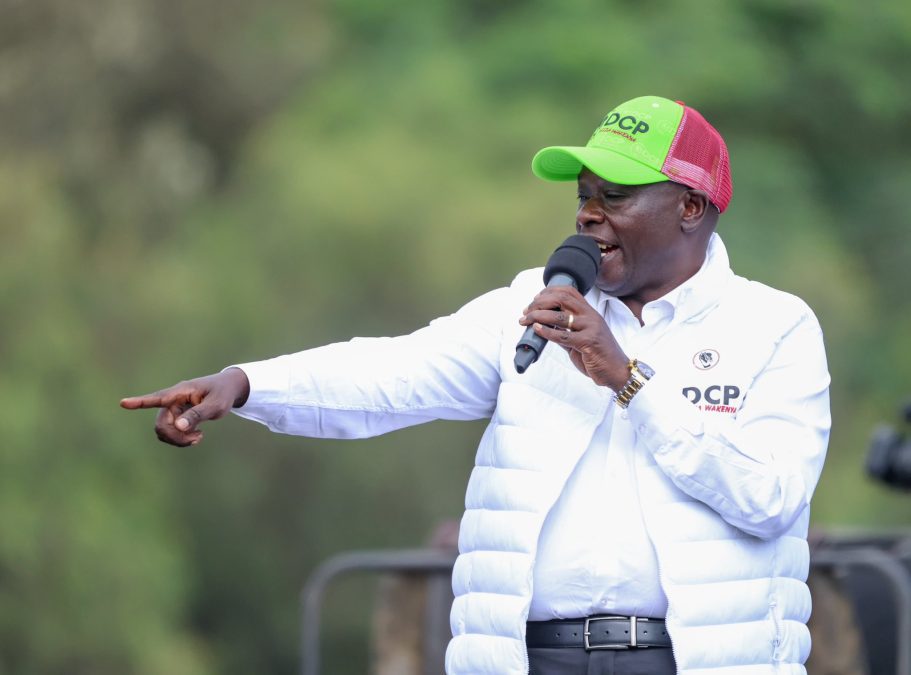
The Milimani Law Courts is currently a centre of attention, as judges delivered their highly anticipated decision in the Gachagua impeachment case.
Across social media, on Monday, June 8, 2026, Kenyans refreshed news feeds, switched between television stations and followed live court updates as lawyers, judges and politicians argued over the legality of former Deputy President Rigathi Gachagua’s removal from office.
But while many are following the impeachment case closely, countless Kenyans are left wondering about the meaning of legal terms repeatedly used inside and outside the courtroom.
The Gachagua impeachment case stems from the October 2024 impeachment of the former deputy president by Parliament and the Senate.
Gachagua challenged the process in court, arguing it was unconstitutional and unfair, while Parliament and the Senate maintained that the impeachment followed the law. The judgement delivered on June 8 was expected to determine whether the impeachment process was lawful.
Here are some of the legal terms.
Amicus curiae
One of the most searched terms during the Gachagua impeachment case has been amicus curiae.
The phrase is Latin for “friend of the court.”
An amicus curiae is a person, organisation or institution that is not directly involved in a case but is allowed to provide expert opinions or legal arguments that may help judges make a decision.
Think of an amicus curiae as an expert invited into a discussion to help clarify complex issues.
They are not supporting either side directly but are supposed to assist the court in understanding broader legal questions.
Legal scholars often describe amicus participation as a way of helping courts make more informed decisions.
Petition
Another common term in the Gachagua impeachment case is petition.
A petition is simply a formal request asking a court to make a decision about a dispute.
In the Gachagua impeachment case, petitions were filed challenging the legality and constitutionality of his removal from office.
A petitioner is the person bringing the case to court, while the respondent is the person or institution responding to the claims.
Appeal
Many Kenyans also hear the word appeal whenever major court cases make headlines.
An appeal happens when a person is unhappy with a court decision and asks a higher court to review it.
For example, if one side in the Gachagua impeachment case disagrees with a judgement, they may seek an appeal before a higher court if the law allows.
An appeal is not a completely new case. Instead, it is a request for another court to examine whether the first court applied the law correctly.
My Lord
If you have watched courtroom proceedings, you have probably heard lawyers say “My Lord.”
This is a traditional form of respect used when addressing judges in superior courts.
It does not mean the judge is above the law or has special powers.
It is simply part of courtroom etiquette, much like calling a teacher “Sir” or “Madam.”
Learned friend
Lawyers often refer to each other as “my learned friend.”
To ordinary Kenyans, the phrase can sound unusual, but it is simply a respectful way for one lawyer to address another lawyer in court.
The word “learned” acknowledges that both individuals are trained in the law, even when they strongly disagree.
Ruling
A ruling is a decision made by a judge on a particular issue before the final determination of a case.
For example, a court may issue a ruling on whether certain evidence should be admitted or whether proceedings should continue.
A final decision that concludes a case is often referred to as a judgment.
Why does court language sound different?
Many legal terms used in the Gachagua impeachment case come from Latin or centuries-old legal traditions inherited from English common law.
Although the language can sound complicated, most of the terms have straightforward meanings once translated into everyday English.
As the Gachagua impeachment case continues to attract national attention, understanding words such as amicus curiae, petition, appeal, ruling, learned friend, and My Lord can help ordinary Kenyans follow court proceedings with greater confidence and a clearer understanding of what is happening inside the courtroom.
Court dismisses application to suspend judgement on Gachagua’s impeachment
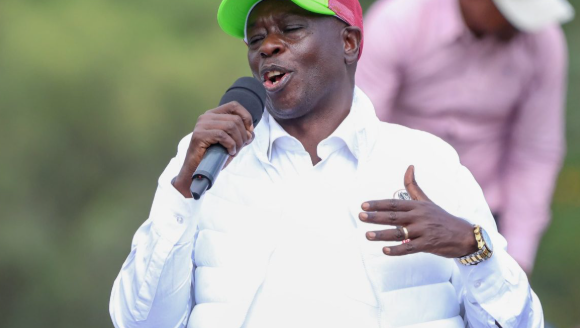
A three-judge bench has dismissed lawyer Harrison Kinyanjui’s application to suspend the reading of the judgement of former Deputy President Rigathi Gachagua’s impeachment.
The bench says that the case by Kinyanjui’s client, Enock Aura, is different from the case coming up for judgement.
“My lordships and my lady, I filed an application at the Court of Appeal seeking to arrest the delivery of the judgement of the consolidated petitions,” lawyer Kinyanjui told the court.
“My lordships and my lady, I suggest in constitutional authority of the Court of Appeal that you defer the rendering of this judgement; we can be heard tomorrow because we filed some submissions,” lawyer Kinyanjui submitted.
In their ruling, Justices Eric Ogola, Freda Mugambi, and Antony Murima on Monday, June 8, 2026, stated that they cannot arrest the judgement since there is no order stopping the reading of the judgement.
“We have made a decision that you will not misrepresent facts; the matter is not before us. The Court of Appeal has cited that matter. If they wanted to stop us, we would drop our pens,” the bench ruled.
“Give us a court order from the Court of Appeal, then we’ll drop our pen. We don’t have anything like that. Lastly, we gave directions at that time we were having this matter,” the court added.
Further, the judges noted that the petitioner sought to be deconsolidated in that matter, and he was given the orders the way he wanted them.
“You took yourself away from these petitions,” Justice Ogola said.
“We said that your matter will be mentioned after today’s ruling, and for the record, and this is the last comment we are making on this issue. Your matter is coming for a mention on June
Gachagua skips session as court rules on his impeachment

Former Deputy President Rigathi Gachagua is notably absent on Monday, June 8, 2026, as the High Court is expected to deliver its much-awaited judgement in the case challenging his impeachment, marking the first time he has missed a key session since the proceedings began.
The ruling is being delivered at the Milimani Law Courts by a three-judge bench comprising Justices Erick Ogolla, Anthony Mrima, and Fred Mugambi.
Read Also: West Ham Co-Owner Accused Of Preying On Women For Sex
Despite Gachagua’s absence, his legal team was present in court to represent his interests. Among the lawyers leading his defence are Njeri Maina and other members of the legal team who have been challenging the constitutionality of the impeachment process.
The lawyers have argued that the former deputy president was denied a fair hearing and that both the National Assembly and Senate violated constitutional provisions during the proceedings.
Gachagua allies in the courtroom
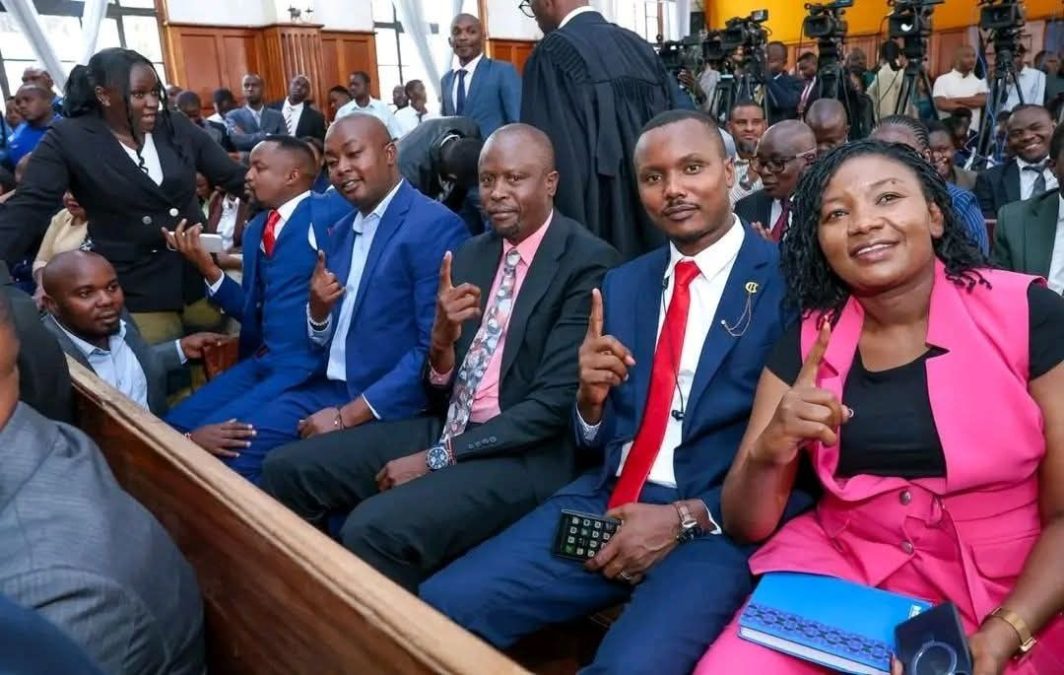
The courtroom was, however, filled with Gachagua’s political allies who turned up in large numbers ahead of the judgment.
Those present included Democracy for the Citizens Party (DCP) Deputy Party Leader Cleophas Malala, Kirinyaga Woman Representative Jane Njeri Maina, Kiambu Senator Karungo wa Thang’wa, Kajiado North MP Onesmus Ngogoyo, former nominated Senator Gloria Orwoba, and East African Legislative Assembly (EALA) member Kanini Kega, among other leaders allied to the former Deputy President.
Gachagua’s absence has attracted significant attention, given that he had personally attended several previous court sessions. During those appearances, he was often accompanied by members of his family, led by his wife, Reverend Dorcas Rigathi, who sat beside him throughout the hearings in a show of solidarity.
His decision to skip the final day has now sparked speculation and raised questions about his whereabouts and the reasons behind his absence from one of the most consequential moments of his political career.
The case stems from Gachagua’s impeachment by Parliament in October 2024, a decision he has challenged in court on grounds that the process was unconstitutional and procedurally flawed. His legal team has sought to have both the National Assembly and Senate resolutions quashed while also seeking compensation for losses arising from his removal from office.
The judgement is expected to determine whether the impeachment process met constitutional standards and could have far-reaching implications for Kenya’s political landscape as the country heads towards the 2027 General Election.