
Behind The Strong Face: Mental Health Challenges Men Often Hide
Society has long celebrated the image of the ‘strong man’, unbreakable and always ready to carry the weight of responsibility without complaint.
Societal norms and the "man up" mentality force many men to conceal psychological struggles, manifesting instead as anger, substance use, or chronic burnout. Recognizing the hidden signs and overcoming the fear of judgment is critical to getting support.
Small steps such as regular exercise, meaningful conversations, support groups and professional counselling can have a significant impact on well-being.
But behind this strong face lies a silent crisis. Millions of men grapple with mental health challenges that remain hidden because admitting them often feels like failure.
Hidden mental struggles
One of the biggest mental health challenges men often hide is depression. Unlike the common portrayal of sadness or tears, depression in men can appear as irritability, anger, aggression or emotional numbness.
Many throw themselves into work, alcohol, sports or endless scrolling to avoid confronting what they are feeling.

According to the World Health Organisation, men account for more than half of all suicide deaths globally, despite often being less likely to seek mental health support.
Research says this reluctance to ask for help can allow problems to worsen before they are addressed.
Anxiety is another silent battle. The pressure to be the provider, protector and problem-solver can create constant stress.
Many men experience what experts describe as high-functioning anxiety, where they appear successful and composed on the outside while battling racing thoughts, sleep difficulties and physical symptoms such as headaches and muscle tension.
Pressure and isolation
Loneliness has become a growing concern for men around the world. As careers, marriage and family responsibilities take over, many friendships begin to fade.
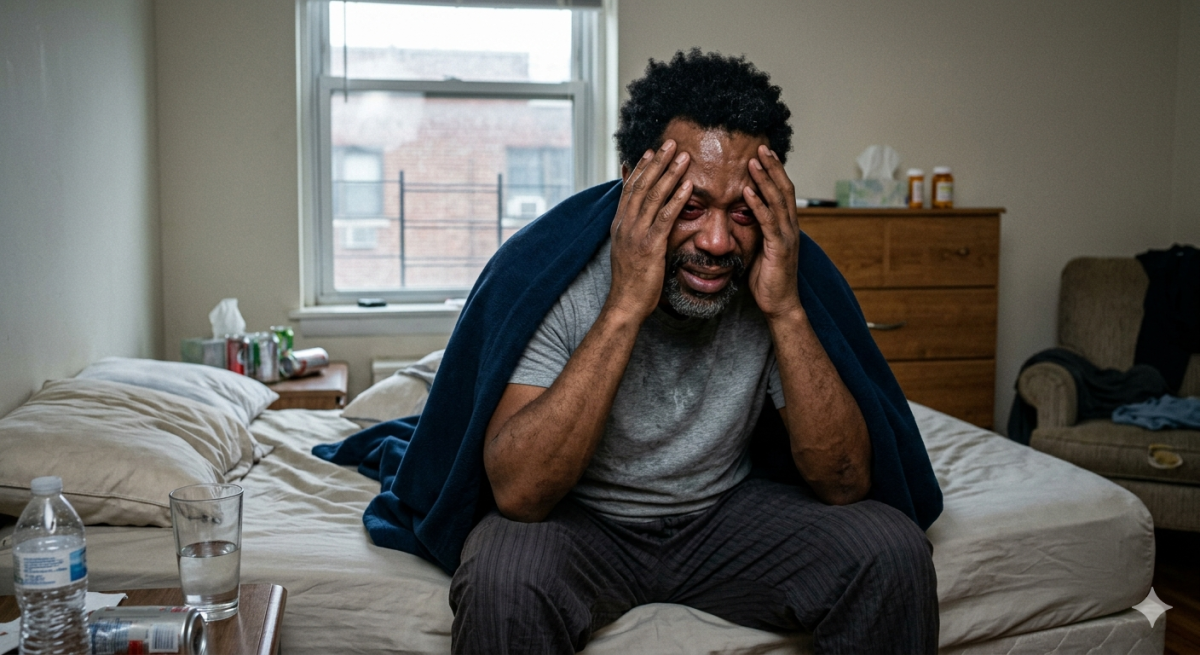
While men may be surrounded by colleagues, relatives or acquaintances, they often lack trusted spaces where they can discuss personal struggles openly.
Research by the Survey Centre on American Life found that the number of men reporting no close friends increased fivefold between 1990 and 2021.
Experts warn that social isolation can increase the risk of depression, substance abuse and other health problems.
Read Also: Why Your Car Is Your Most Expensive Lifestyle Choice
Burnout and identity struggles are equally common. In a world that often links male worth to productivity, status and financial success, many men feel lost when life takes an unexpected turn.
Job loss, divorce, financial hardship or health challenges can trigger feelings of shame and self-doubt.
The good news is that change is possible. Mental strength is not the absence of struggle; it is the courage to face it.
Small steps such as regular exercise, meaningful conversations, support groups and professional counselling can have a significant impact on well-being.
- Anger and Irritability: Unexplained mood swings, road rage, or short tempers masking underlying pain or frustration.
- Workaholism: Using excessive hours at work or extreme busyness as a distraction to avoid processing difficult emotions.
- Substance Abuse: Using alcohol or drugs as a maladaptive coping mechanism to numb stress or self-medicate.
- Physical Ailments: Unexplained headaches, digestive issues, or chronic fatigue, which are often the physical toll of unexpressed anxiety.
- Withdrawal: Retreating from social activities and isolating oneself from friends and family.
- Fear of Judgment: The deeply ingrained fear that showing emotion will be viewed as weakness by peers, employers, or family.
- Traditional Conditioning: Growing up in environments that explicitly or implicitly demand stoicism and self-reliance.
- Limited Vocabulary: Many men are never taught how to articulate their feelings, making it difficult to even recognize or express when they are struggling.
- Redefine Strength: Understand that recognizing and admitting a mental health challenge is an act of courage, not a surrender.
- Create Safe Spaces: Foster environments at home, in the community, and at work where men feel safe to express vulnerabilities without judgment.
- Access Professional Support: Seeking help from a mental health professional is like consulting a trainer for your mind. For immediate, confidential crisis support, resources like the 988 Suicide & Crisis Lifeline offer free access for anyone in need.