
Why Children Can Feel Attached To Step-Parents More Than Their Biological Parents
Children can develop strong emotional bonds with stepparents, sometimes feeling closer to them than to their biological parents. While family relationships are often shaped by biology, the connection a child develops with a parent figure can also depend on the care, time, and emotional support they receive.
In blended families, where a parent has a new partner who becomes part of the child’s life, these relationships can take time to develop. For some children, a stepparent may become someone they trust, turn to for advice or feel comfortable sharing their concerns with.
The role of time and attention
One reason children may become attached to a stepparent is the time they spend together. An adult who regularly listens to a child, helps with daily activities, attends school events, and shows interest in their life can gradually build trust.
Stepparents should allow relationships with their stepchildren to develop gradually rather than immediately taking on the role of a strict parent.
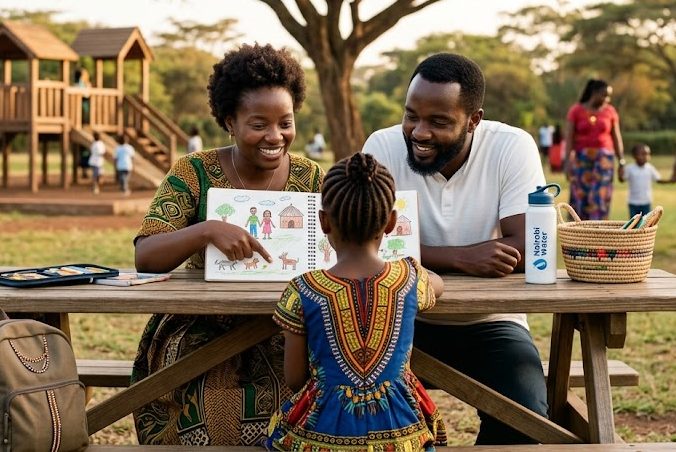
When a stepparent offers consistent support without forcing affection, a child may become more comfortable around them. This bond can grow through ordinary moments, such as helping with homework, sharing meals or talking about problems.
When a biological parent is absent
A child’s relationship with a biological parent can be affected by separation, long periods apart, family disagreements, or the death of a parent. In such circumstances, another adult who provides stability and emotional support may become an important presence in the child’s life.
This does not necessarily mean the child has stopped loving their biological parent. Children can care deeply about a parent they rarely see while also feeling close to the person who is present in their everyday life.
The Child Mind Institute notes that children need time to adjust to a new family structure and that stepparents should work towards earning their trust rather than expecting an immediate bond.
Feeling understood and accepted
Children may also feel closer to a stepparent when they believe that their feelings are taken seriously. Being listened to without fear of harsh judgement can make it easier for a child to share worries, ask questions and seek guidance.
A stepparent who respects the child’s interests, personal boundaries and existing family relationships can help create a sense of belonging.

However, the relationship will not be the same for every child. Some children form close bonds quickly, while others need more time or may never feel comfortable with a stepparent in the same way.
Why children should not be forced to choose
Adults should avoid turning family relationships into a competition over who a child loves more. Asking children to choose between a biological parent and a stepparent can leave them feeling guilty or caught in the middle of adult disagreements.
Parents and stepparents can support children by communicating respectfully, avoiding negative remarks about one another and keeping children out of conflicts between adults.
Ultimately, a child’s attachment is not determined by biology alone. Consistency, trust, emotional safety, and the quality of everyday interactions can all influence how close a child feels to the adults in their life.
A strong relationship with a stepparent does not have to replace the bond with a biological parent. Children can have meaningful relationships with both, provided they feel safe, supported, and free to express their feelings without pressure.