
How Parents Can Prepare Children In Boarding Schools For Emergencies
Sending a child to boarding school is a major milestone for many families, offering academic growth, independence, and exposure to new environments.
However, it also requires parents to prepare children not only academically, but also for unexpected emergencies that may arise while they are away from home.
Practical safety skills
One of the most important steps is ensuring that children understand basic emergency procedures.
Parents should explain what to do in situations such as fire outbreaks, medical emergencies, or security threats. Children should be taught to remain calm, follow instructions from teachers or school staff, and avoid panic during emergencies.
In addition, children should learn practical safety skills where possible. This includes how to use a fire extinguisher using the PASS method (Pull, Aim, Squeeze, Sweep), and understanding that it should only be used for small, controllable fires.
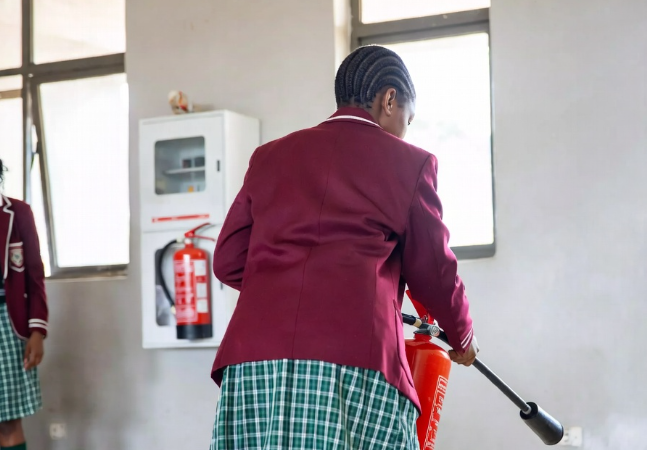
They should also be taught to recognise fire alarms, smoke, and electrical hazards, and to evacuate immediately without stopping to collect belongings.
Awareness of the environment
Children should know key safety information about their school environment, including emergency exits, evacuation routes, and assembly points.
Emotional readiness is equally important. Children should be encouraged to speak up if they feel unsafe or notice anything unusual in their environment, including bullying, threats, or suspicious behaviour, and report it to teachers or school authorities immediately.
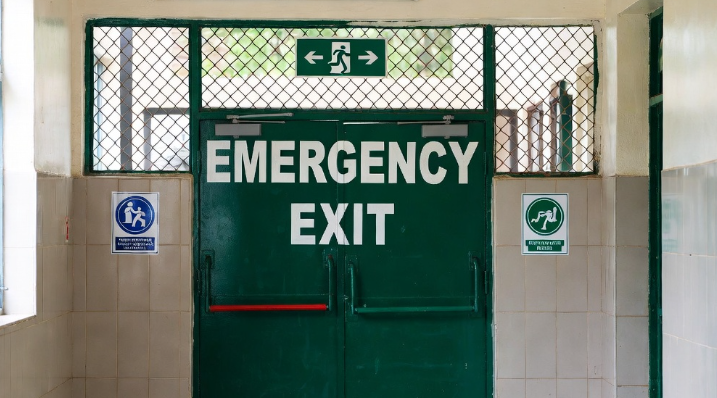
Building trust between parents and children helps ensure they can respond confidently during emergencies.
Safety essentials
Parents should equip children with basic emergency items where allowed, such as a flashlight, whistle, and basic hygiene kit. A small emergency contact card can also be helpful.
Read Also: George Ruto Reveals "The 1% Rule" And Faith As His Secrets To Success
Children should participate actively in school safety drills, especially fire drills, and understand evacuation discipline, such as not pushing, not running dangerously, and following instructions from teachers.
Parents should also engage school administrations by asking about safety policies, availability of fire extinguishers, alarm systems, and the frequency of drills.
Children should be reminded that following instructions from school staff during emergencies is critical for their safety.
Safety in boarding schools is a shared responsibility between parents, students, and school management. Awareness, preparation, and calm response can significantly improve safety outcomes.
Proper guidance helps children remain alert, confident, and better prepared to respond appropriately during unexpected emergencies.


